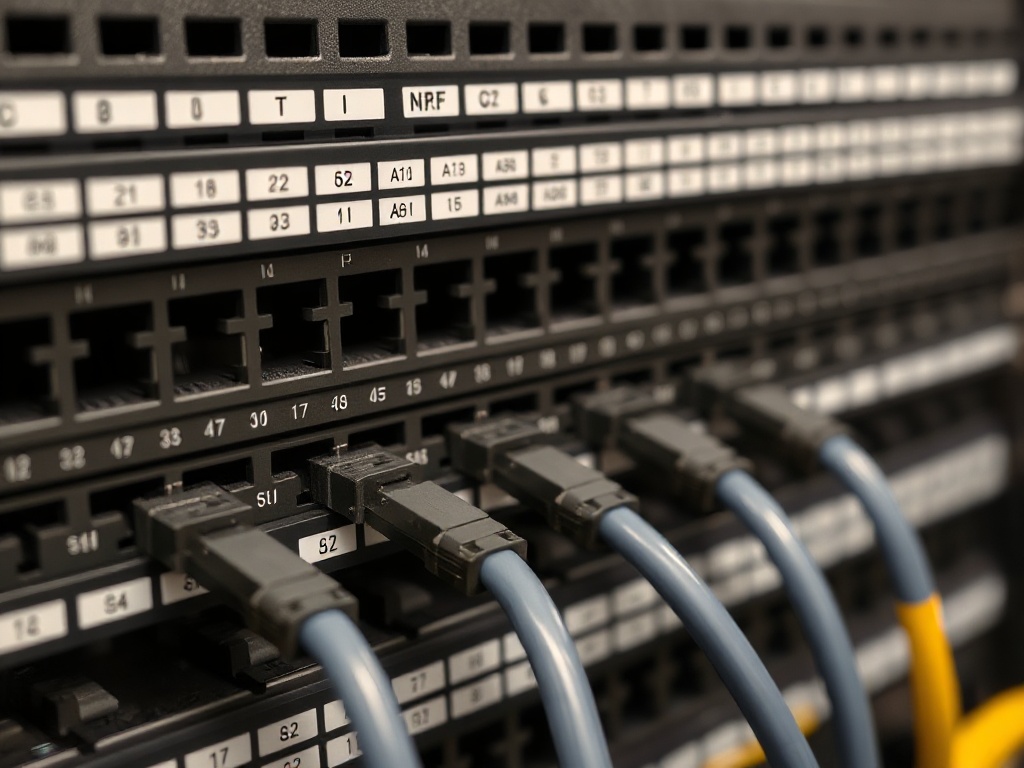
Choosing the right network cabling is a critical decision that affects your infrastructure for years. Cat5e, Cat6, and Cat6A each have different capabilities, costs, and ideal use cases. Here's what you need to know.
Understanding Network Cable Standards:
The "Category" (Cat) rating refers to standards for network cables, specifying maximum data transmission speeds and frequencies. Each higher category provides increased performance at a higher cost.
Cat5e (Category 5e): - Speed: Up to 1 Gbps (Gigabit per second) - Frequency: Up to 100 MHz - Max Distance: 100 meters per cable run - Cost: $0.10-0.20 per foot - Best For: Legacy systems, basic internet connectivity - Status: Outdated for new installations
Cat6 (Category 6): - Speed: Up to 10 Gbps (theoretically, in shorter distances) - Frequency: Up to 250 MHz - Max Distance: 100 meters at 1 Gbps, shorter at 10 Gbps - Thicker Jacket: More robust than Cat5e - Cost: $0.15-0.35 per foot - Best For: Modern offices, video surveillance, data centers - Status: Industry standard for new installations
Cat6A (Category 6A): - Speed: 10 Gbps reliably up to 100 meters - Frequency: Up to 500 MHz - Fully Shielded: Extra protection from interference - Max Distance: 100 meters at full 10 Gbps - Cost: $0.35-0.75 per foot - Best For: High-performance networks, future-proofing - Status: Premium choice for demanding applications
Speed Comparison: - Cat5e: 1 Gbps - Cat6: 10 Gbps (theoretical, limited distance) - Cat6A: 10 Gbps (reliable, full distance)
Key Differences:
1. Physical Construction Cat6 has a thicker jacket and separator spine compared to Cat5e. Cat6A is fully shielded to protect against crosstalk and interference.
2. Crosstalk Interference Cat6 and Cat6A include shielding to reduce crosstalk (interference between adjacent cables). This becomes critical in high-density installations.
3. Bandwidth Higher categories support higher frequencies, enabling faster data transmission and less signal degradation.
4. Future Proofing Cat6A supports current and near-future technologies, making it a smart investment for businesses planning for growth.
Which Should You Choose?
For Most Businesses (2026): Cat6 is the sweet spot—excellent performance, proven reliability, widely supported, and reasonable cost. Unless you need 10 Gbps speeds now, Cat6 is the recommended standard.
For High-Performance Networks: If you're building a data center, running video surveillance at scale, or deploying bandwidth-intensive applications, Cat6A is worth the investment.
For Legacy Systems: If you still have Cat5e and it's working reliably for your current speeds, upgrading isn't urgent. But plan for migration as you expand.
Professional Installation Matters: Even the best cable is only as good as its installation. Improper termination, excessive bending, and poor cable management can degrade performance regardless of cable quality.
At CloudShield, we install industry-standard Cat6 and Cat6A cabling with proper termination, testing, and documentation. Our installations support your business for years to come.
Ready for reliable, future-proof network infrastructure?